Hand Painting: A Timeless Expression of Creativity
14 Feb, 2025

Homes tell stories. Walls speak through color, texture, and art. Some spaces feel fresh and bold. Others feel warm and familiar. Choosing between modern and classic design often feels like picking a side. Yet both styles hold strong appeal. Art plays a huge role in shaping this choice, especially work tied to emotion, place, and memory, like childhood memories painting.
This guide breaks down both styles in plain terms. You will learn how each one works, how art fits in, and how to blend ideas without stress. Let us dig in and make sense of it all.
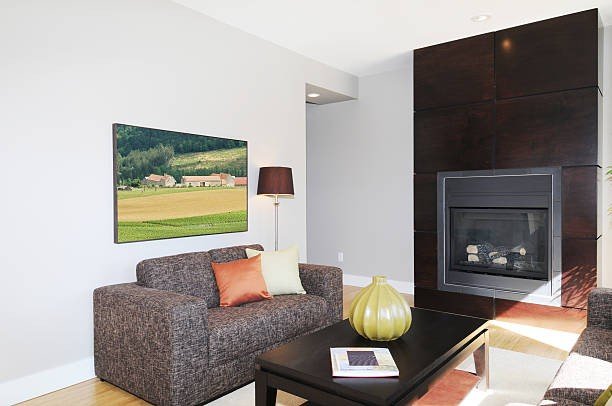
Modern design keeps things clean and simple. It avoids clutter and loves open space. You will see smooth lines, neutral colors, and bold art pieces used as focal points.
Modern rooms often feel calm. They let the eye rest. Art in these spaces carries weight because fewer items compete for attention. One strong painting can set the whole mood.
Modern homes work well for people who enjoy order and flow. They suit city life and fast-paced days. Still, modern does not mean cold. With the right art, it can feel personal and deep.
Classic design leans on tradition. It feels cozy and rich. You will find warm tones, layered textures, and detailed pieces.
Art in classic spaces often tells a story. Scenes of life, land, and memory feel right at home here. Think of works tied to family, place, and time passed.
Classic homes feel lived in. They invite guests to sit and stay awhile. For many people, this style feels safe and grounding.
Art acts as the bridge between modern and classic design. A single painting can shift the feel of a room. Modern rooms often use art to add soul. Classic rooms use art to deepen warmth. Both need the right piece to feel complete. Paintings tied to memory work well in both styles. Paintings of childhood memories can soften a modern space or enrich a classic one. These works spark emotion and invite stories.
Color shapes how a room feels. Modern design uses fewer colors. Classic design layers them. Art helps balance this out. A modern room may feature a bold landscape to break the calm. A classic room may use softer tones to blend with furniture. Paintings with outdoor scenes work well across styles. Childhood summer memory paintings bring warmth and joy. They remind viewers of long days, open fields, and simple times.
Modern homes pair well with landscape art that feels open and clean. Simple scenes with strong shapes work best. A sunset with a simple shadow tree painting fits this need. It adds depth without clutter. It pulls the eye and sets a calm tone. Landscape art also adds nature to city homes. It brings balance and peace.
Classic homes love detail. Landscape art with texture and story feels natural here.Scenes of rolling land, trees, and skies connect the indoors to the outdoors. These works often reflect place and heritage. Many collectors lean toward Texas landscape paintings for classic spaces. The wide skies and open land feel timeless and proud.
You do not need to choose one style forever. Many homes blend both. This mix works when balance is kept in mind. Clean furniture can pair with rich art. Traditional frames can hold bold scenes.
Art tied to place helps bridge the gap. Works by Texas landscape artists often blend realism with fresh views. This makes them fit both modern and classic rooms.
Before buying art, study your space.
Ask a few simple questions:
Large walls handle bold art well. Small rooms may need lighter scenes.
Collectors often seek work from local Texas artists for this reason. Local art often reflects real light, land, and mood. It feels honest and easy to live with.
Trends come and go. Emotion lasts. Art tied to memory often stays meaningful. Pieces linked to place, family, or youth hold value beyond style. This is why many homes feature landscape paintings for sale in Texas. These works carry a sense of home and pride. They age well and stay relevant.
Style should match how you live. Busy lives may lean towards modern for ease. Slow living may lean classic for comfort. Families often blend both. Art gives freedom here. It lets you adjust the mood without changing furniture.
Many people rush their art choices. This leads to regret.
Avoid these missteps:
Take time. Live with empty walls for a bit. Let the right piece speak.
Modern and classic designs both shine. Neither wins every time. The right fit depends on your space, taste, and life. Art helps define this choice. It adds soul, memory, and place. When chosen with care, it makes any style feel like home.
If you want art that fits both modern and classic homes while holding real emotion, explore the work of Grace Hessman. Her paintings reflect memory, land, and feeling in a way few artists achieve. View available pieces, connect with her vision, and find artwork that feels right for your space and your story.
1. Can modern and classic art mix in one room?
Yes. Balance matters. Keep colors or themes connected to avoid a clash.
2. Does landscape art work in small spaces?
Yes. Choose lighter scenes with open views to avoid crowding.
3. How do I pick art with lasting value?
Focus on emotion and connection rather than trend or price.
4. Are memory-based paintings good for modern homes?
Yes. They add warmth and depth to clean spaces.
5. Should art match furniture style?
It should complement, not copy. Contrast often works better.